The areas below introduce cultural and community themes associated with Maltese festa traditions. They are educational subjects, not a schedule of confirmed organizational programs.
Parish feast traditions
Parish feasts connect religious observance with local cultural identity. Services, processions, decorations, and music can form different parts of a celebration, with practices varying between communities.
Cultural heritage awareness
Understanding local customs includes exploring their purpose, artistic character, and place in community memory. Accurate explanations help visitors appreciate more than the outward appearance of a celebration.
Community participation and volunteering
Cooperation often supports the preparation and care involved in community cultural life. Visitors interested in helping should contact the organization about current needs; no positions or participation opportunities are guaranteed here.
Traditional music
Music can accompany religious services, processions, and public celebrations. Repertoire, performance traditions, and the work of musicians all contribute to the cultural experience.
Decorative arts and artistic appreciation
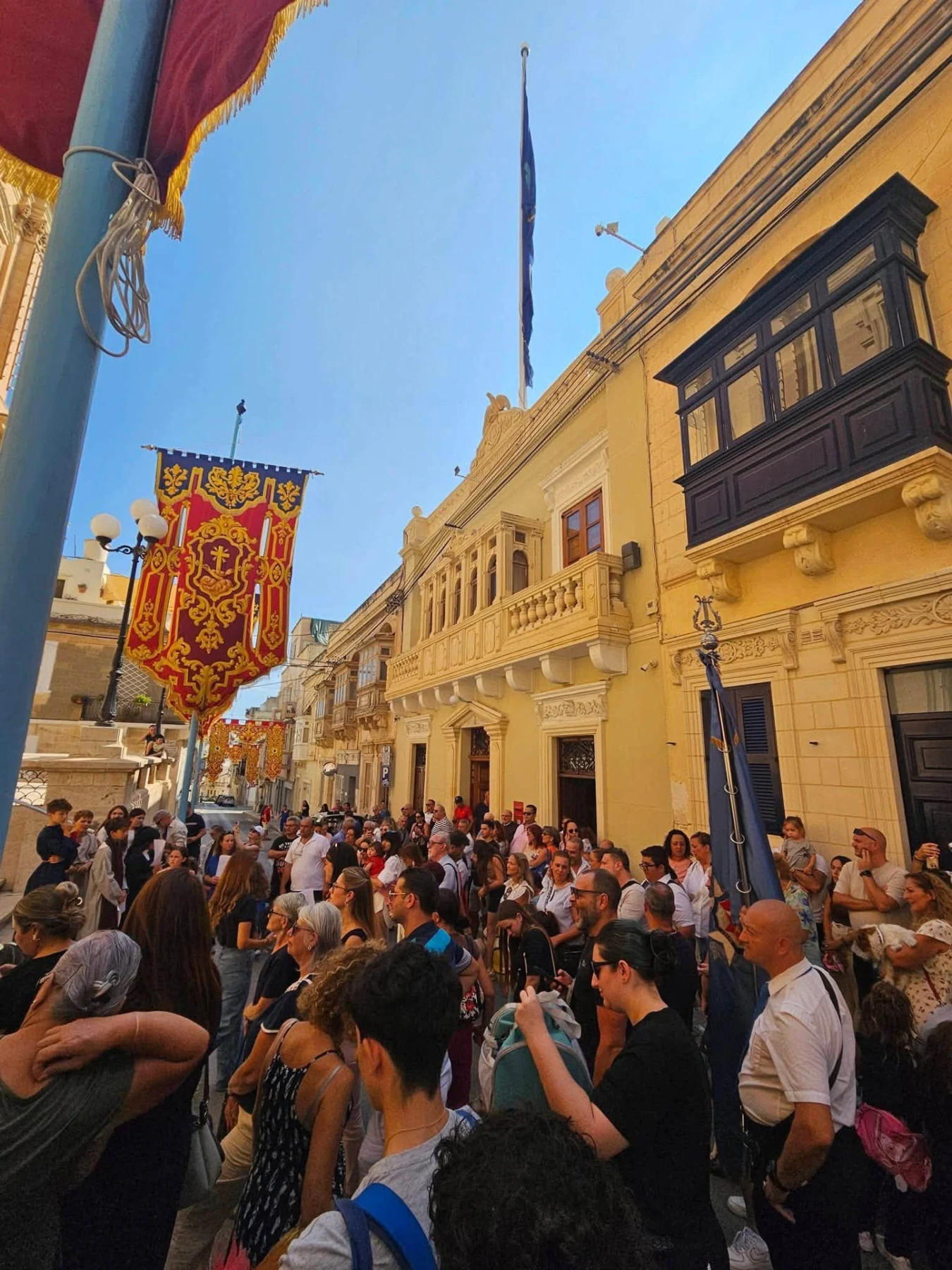
Banners, ornaments, and carefully crafted displays can transform familiar public spaces. Their significance lies in both visual expression and the skills required to design, maintain, and handle them.
Religious heritage
Sacred imagery and observance deserve respectful interpretation. Cultural appreciation should recognise their meaning for participants rather than treating religious objects as decoration alone.
Intergenerational learning and cultural dialogue
Sharing knowledge allows older and younger people to discuss the meaning of familiar practices. Respectful dialogue can welcome different perspectives while retaining the context of a tradition.
Heritage documentation
Photographs, written accounts, and oral histories can preserve cultural knowledge. Records are most useful when dates, locations, permissions, and sources are accurate rather than assumed.
Responsible event awareness
Accessibility, crowd safety, noise, waste, and consideration for residents are important aspects of community celebration. Current event arrangements and local requirements should always be confirmed with the relevant organizers.