Cultural heritage includes traditions, artistic knowledge, community memories, and shared experiences. Preservation helps connect these forms of knowledge with future generations.
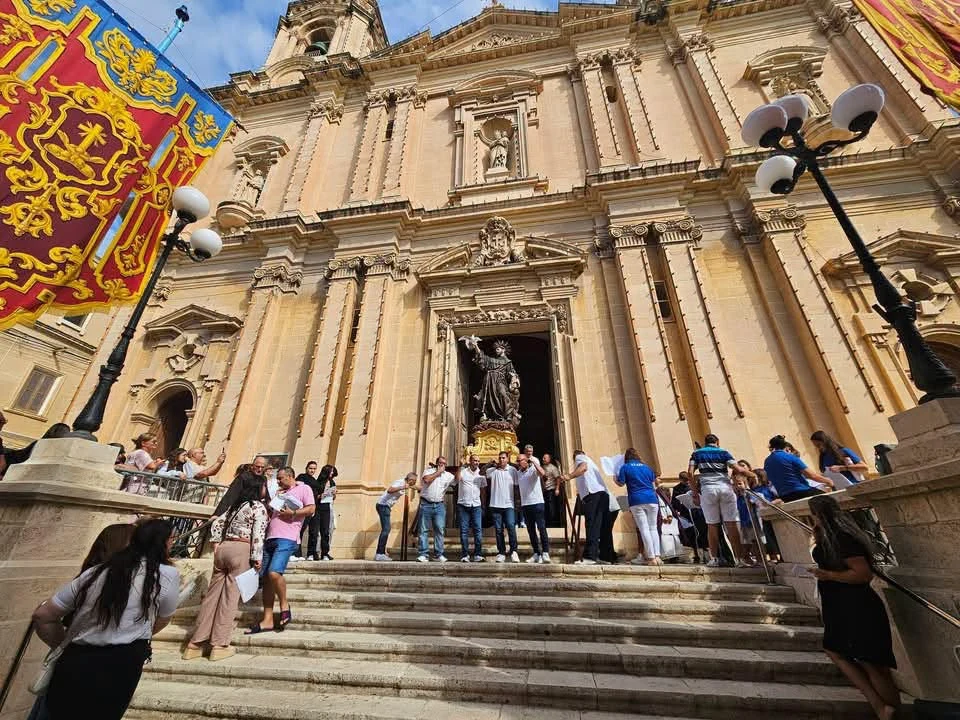
Photographs and written records
A photograph becomes a stronger cultural record when its source, context, date, and permissions are known. Unknown details should remain unknown rather than being supplied through guesswork.
Oral histories
Personal memories offer valuable perspectives on community life. When recording them, seek permission, preserve the speaker’s meaning, and distinguish individual recollection from independently verified history.
Traditional knowledge
Skills can be lost when the reasons and techniques behind them are not explained. Documentation and opportunities to learn can help people understand how artistic practices are carried forward.
Community memory
Shared cultural experiences contribute to identity. Preservation should recognise different memories and experiences without presenting one unsupported account as definitive history.
Responsible stewardship
Respect for physical objects, copyright, personal privacy, and the original context of records is important. Preservation is not only about collecting material; it is also about caring for it appropriately.
Our public information
This website provides educational heritage content and supplied photographs. It does not claim that the organization operates a museum, archive, restoration program, or collection open to the public.