Parish feasts are a distinctive part of Malta’s cultural landscape. They bring together religious observance, artistic expression, music, decoration, and community participation.
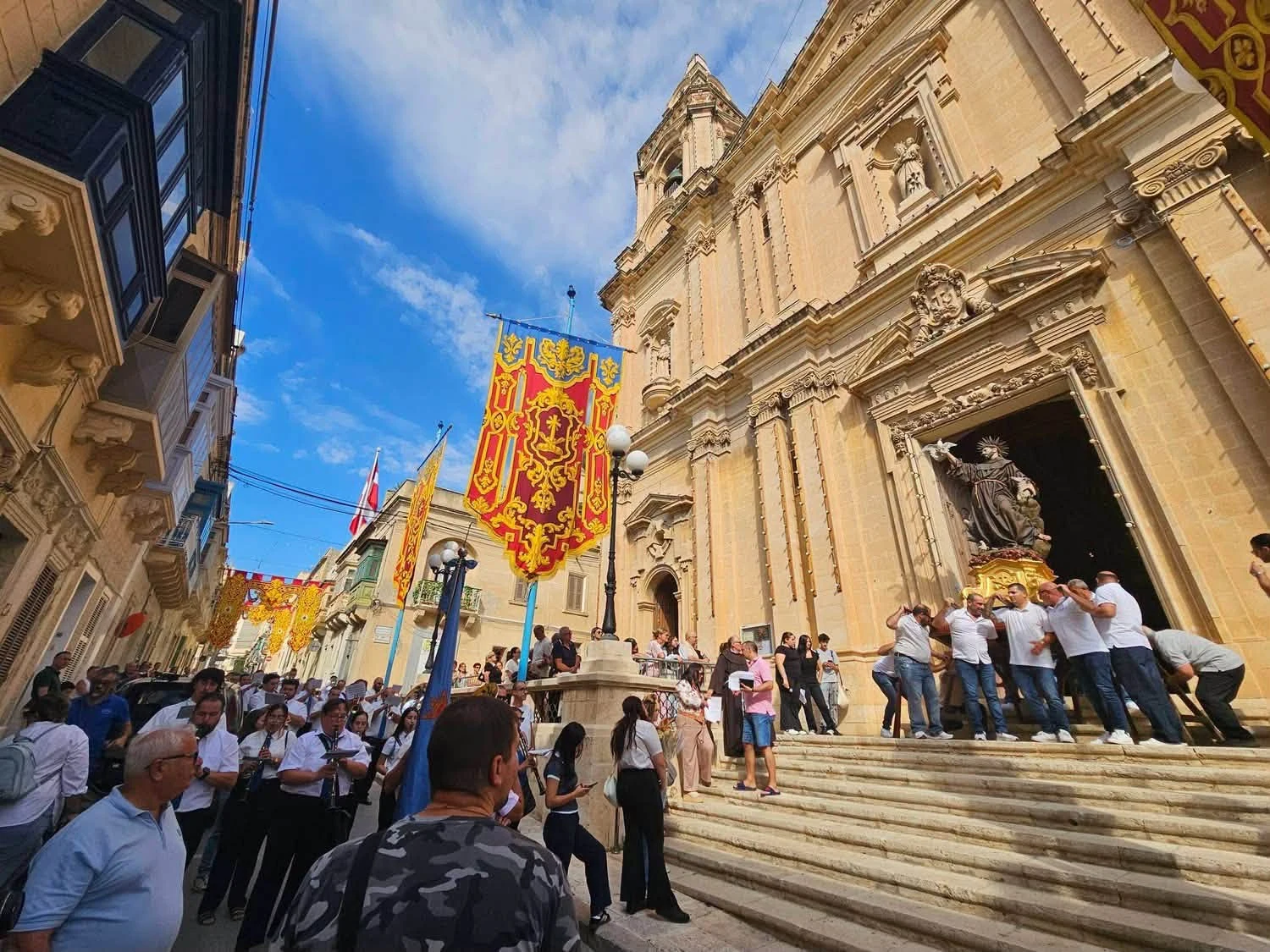
A tradition shaped by community life
The Maltese festa is not a single uniform practice. Celebrations reflect the character of their communities, and the relationship between religious observance and public festivities can take different forms. Local knowledge is important when interpreting a particular celebration.
Preparations can be as culturally significant as the occasion itself. The care of decorative objects, musical preparation, and shared practical responsibilities help people build relationships and pass on skills.
Religious observance
Religious services and processional traditions can form a central part of parish celebrations. Sacred objects and rituals have meaning for those who take part and should be approached with respect, including by visitors interested primarily in cultural heritage.
Community identity
Familiar spaces can take on a special significance during a celebration. Decorations, music, and shared experiences contribute to a sense of belonging, linking individual memories with the wider life of a community.
Traditional decoration and music
Banners and ornamental displays combine craftsmanship with symbolic expression. Musical traditions add another dimension, bringing together performance skills, shared repertoire, and public participation.
Voluntary participation
The wider tradition of community celebrations often depends on people contributing time and practical knowledge. Voluntary work deserves recognition without assuming that every pictured participant holds an official role.
Keeping traditions meaningful
Cultural continuity requires understanding as well as repetition. Accurate documentation, opportunities to learn, and responsible celebration help preserve the meaning of traditions for future generations.