Explore educational articles about the traditions, artistry, and community values connected with Maltese parish celebrations. These are cultural insights, not reports of past organizational events.
 Living Heritage
The Cultural Significance of Maltese Parish Feasts
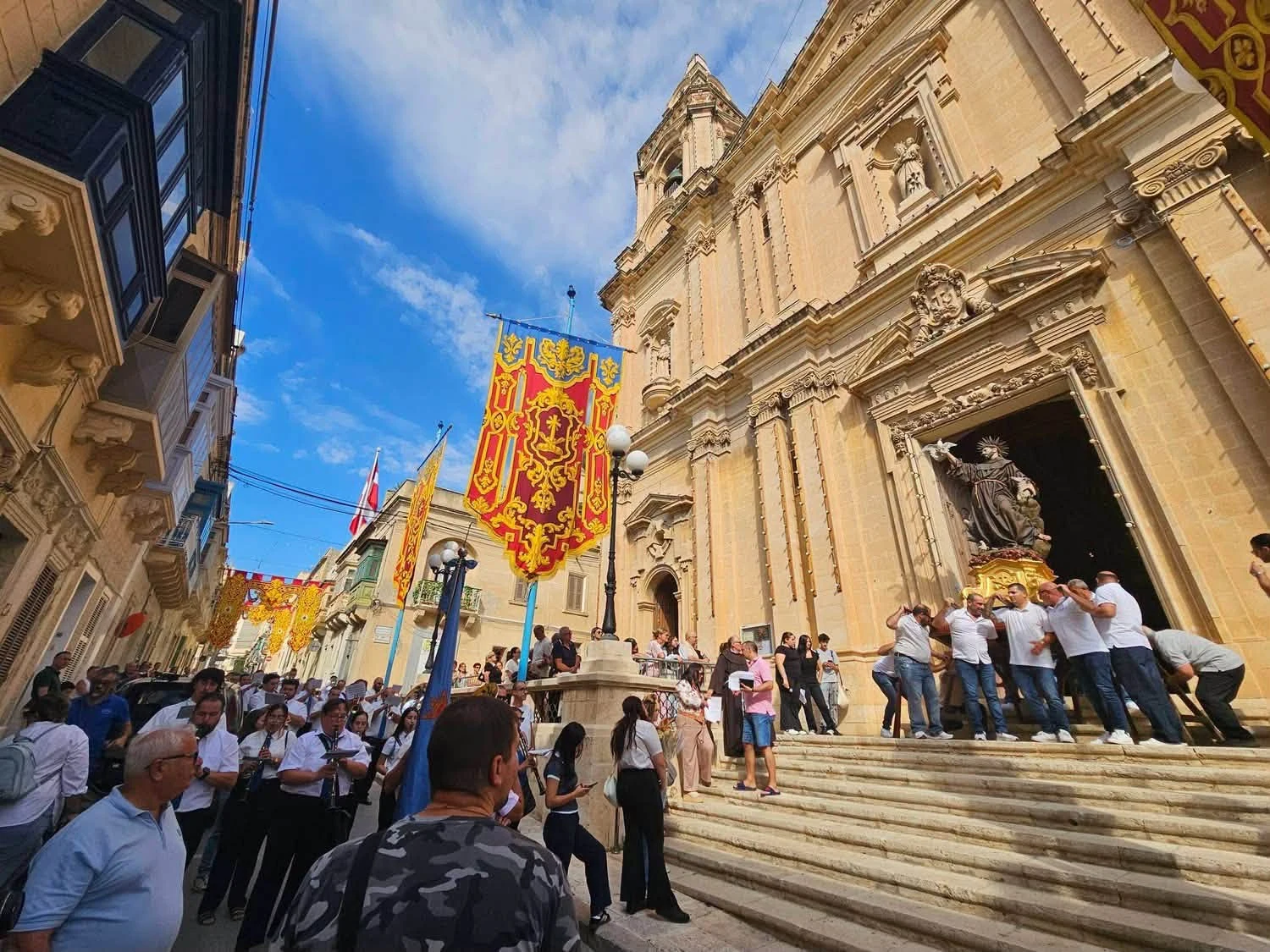
A parish feast brings together several dimensions of Maltese cultural life. Religious observance, music, decorative art, and public gathering can share the same familiar spaces, giving a celebration meaning for people with different experiences and interests.
The cultural value lies not only in what happens on the day. Preparations can involve practical knowledge, artistic skills, and cooperation. Learning why an object is handled in a particular way or why a piece of music accompanies an occasion helps preserve context that might otherwise be lost.
Local practices vary, so one celebration should not be treated as a complete account of all Maltese festas. Visitors can approach these traditions with curiosity while respecting religious participants and the needs of residents. Accurate explanation preserves meaning better than an unsupported historical claim.
 Arts & Music
Music and Tradition in Maltese Celebrations
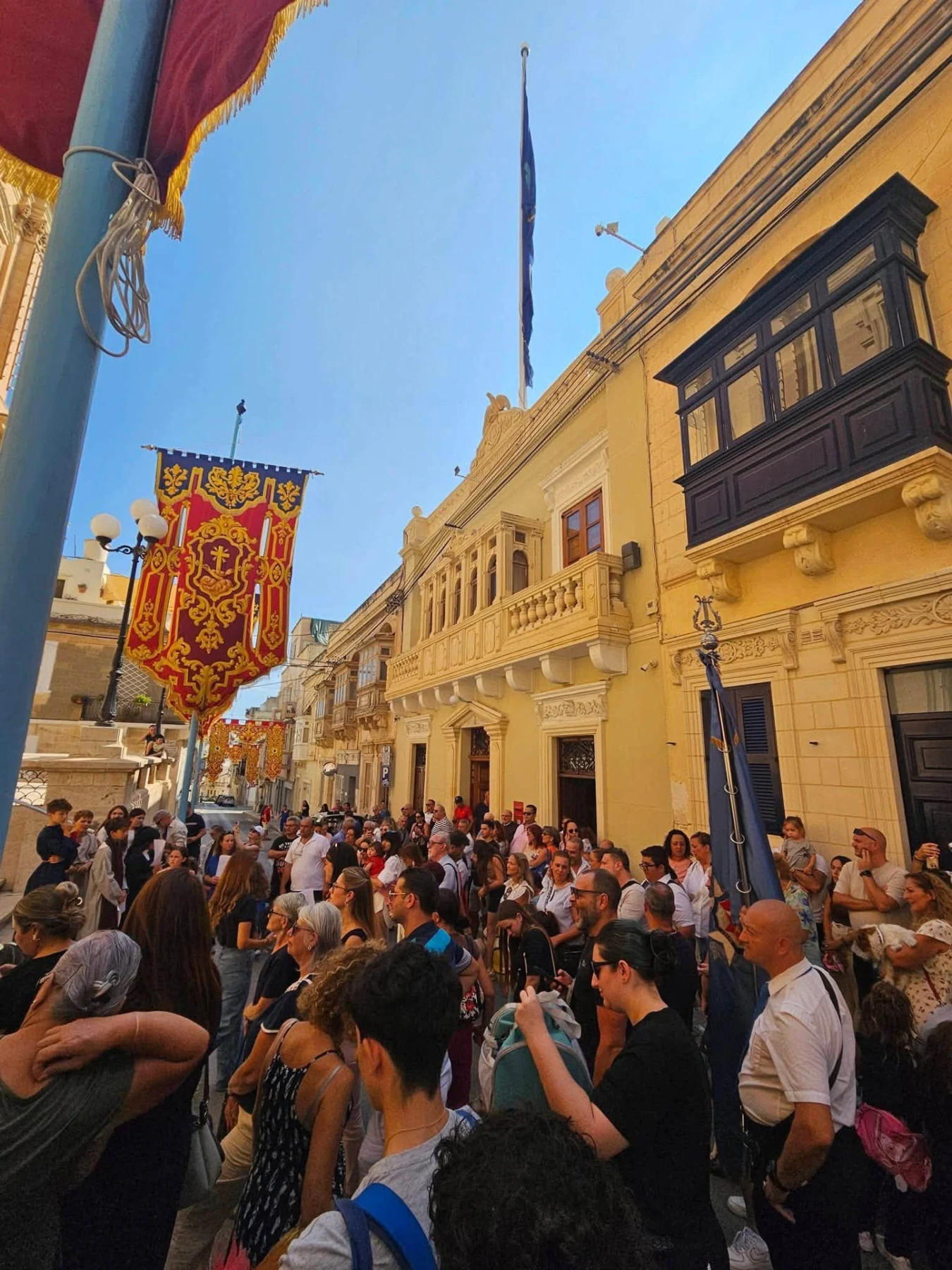
Music gives celebrations a distinctive sense of rhythm and shared experience. It may support religious observance, accompany ceremonial movement, or become part of a public gathering. Each setting shapes how people hear and understand a performance.
Behind the sound lies preparation: musicians develop skills, learn repertoire, and work together. This knowledge can carry cultural meaning between generations. Appreciating music as a practice rather than background entertainment recognises the care involved.
Preservation can include recording repertoire and performance context, with the permission of those involved. Such records should not assume that a particular ensemble or performance belongs to this organization without confirmation.
 Community Life
The Importance of Community Volunteering
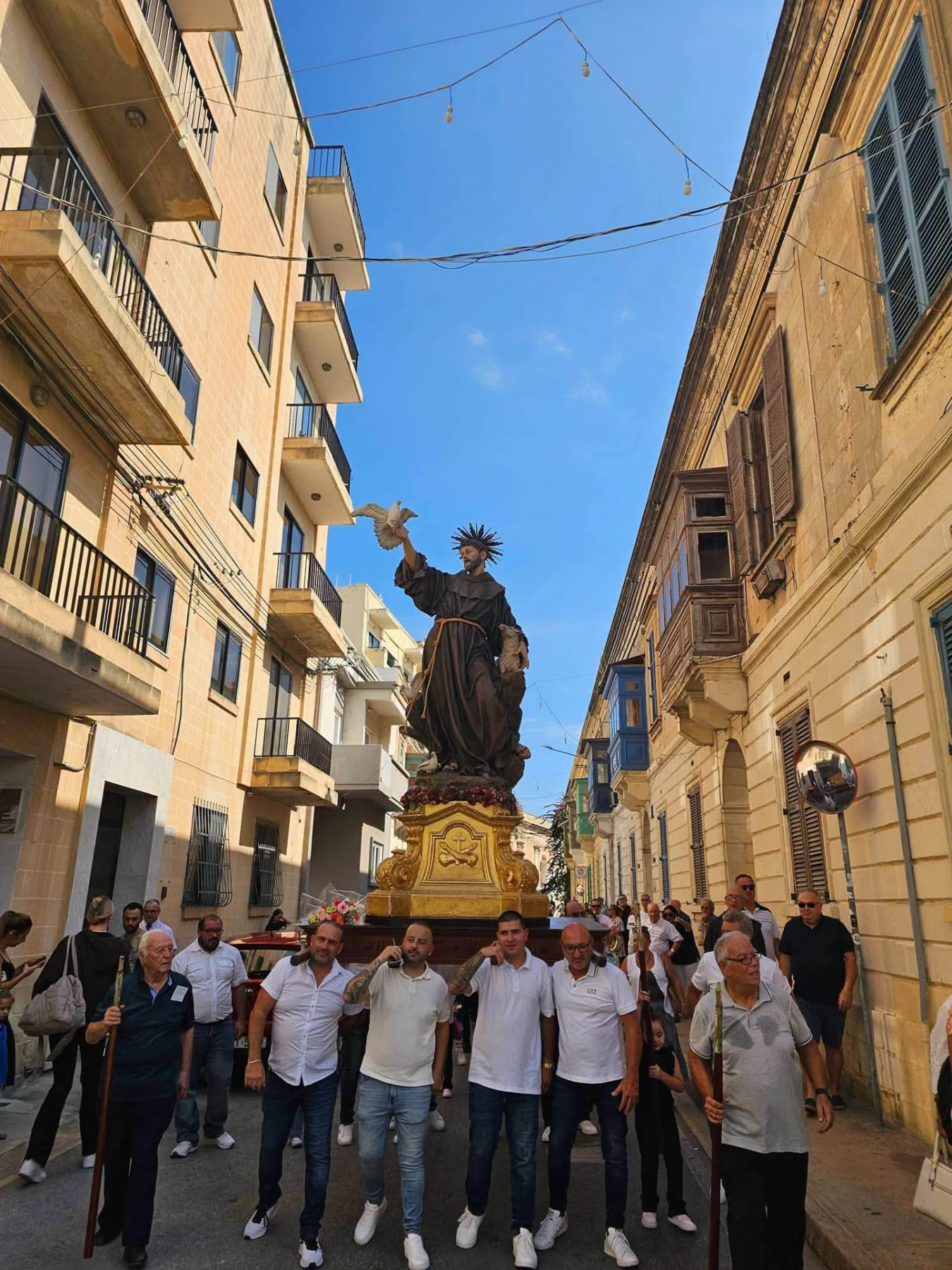
Volunteering connects a person’s time and abilities with a shared purpose. In cultural life, practical help can support the work that gives traditions their visible form, while conversation and learning also contribute to continuity.
Good participation depends on clear expectations. People should understand their responsibilities, receive suitable guidance, and have an appropriate point of contact. Respect, safety, and realistic commitments are important to a positive experience.
There is no single way to contribute. Current needs and opportunities must be confirmed with the relevant organization. An educational account of volunteering should never promise a role or imply that recruitment is open.
 Artistic Heritage
Traditional Decorative Arts in Malta
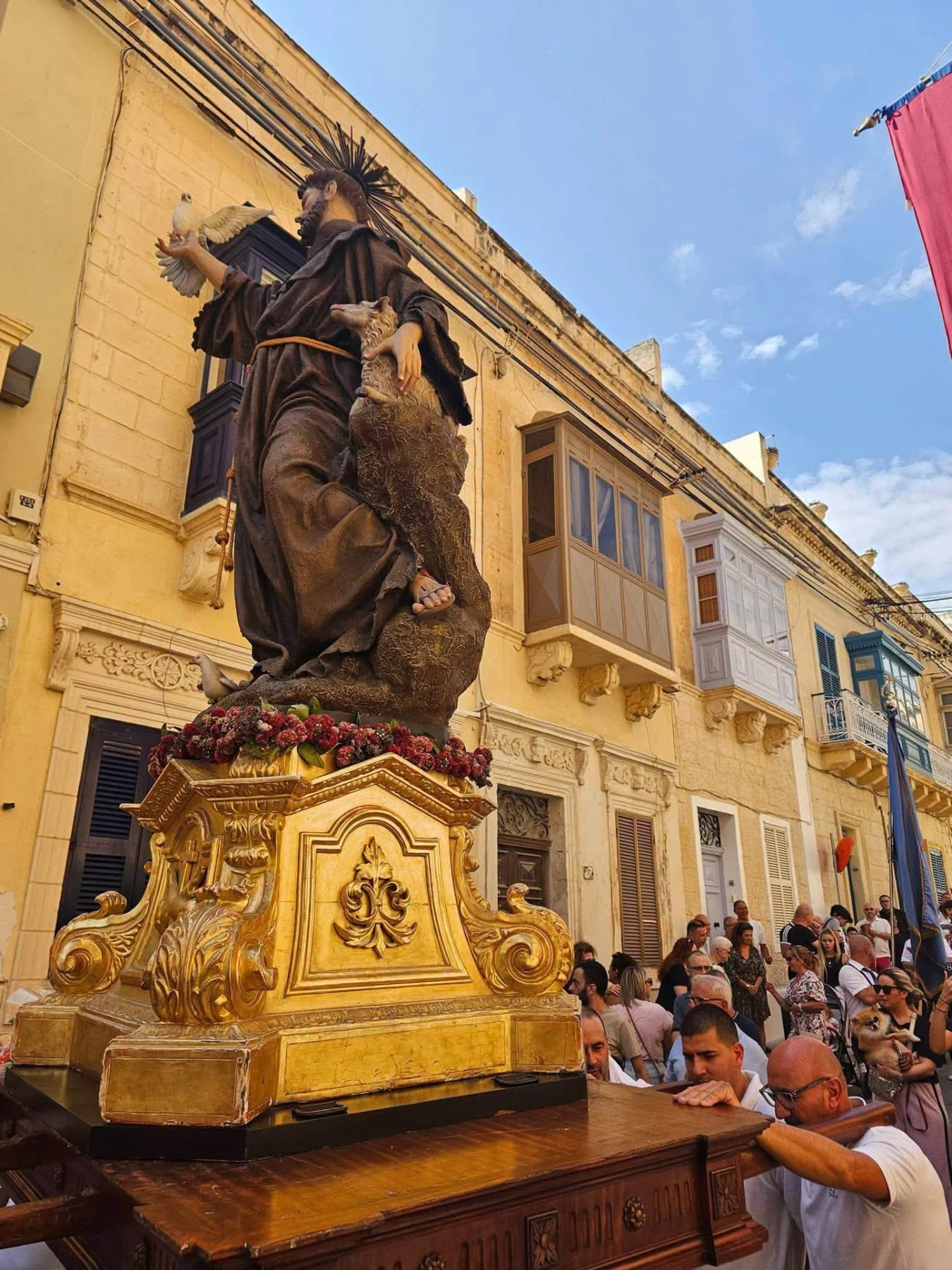
Banners, ornaments, and processional details bring craftsmanship into public view. These objects can carry symbolic meaning as well as creating the distinctive visual atmosphere of a celebration.
The finished display is only one part of the story. Design, maintenance, careful handling, and storage can require experience and attention. Understanding this work helps visitors recognise the value of skills that may be shared through practical learning.
Accurate documentation should record known materials, techniques, makers, and context, without filling gaps through guesswork. Unknown details about a photographed object should be left unclaimed.
 Faith & Culture
Religious Heritage and Community Identity
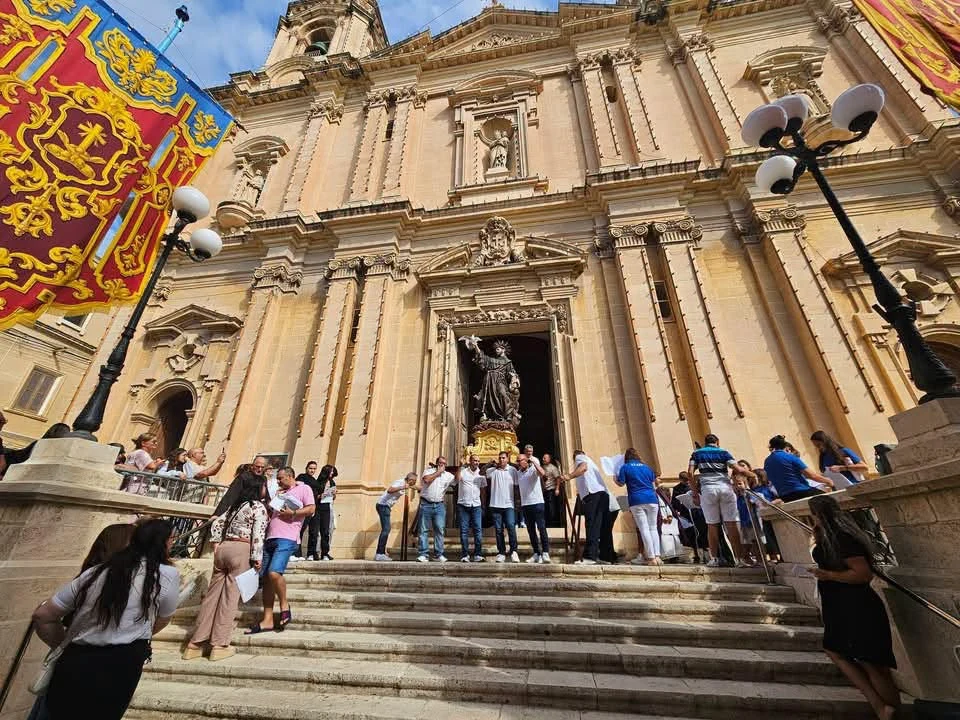
Religious heritage can shape the ways a community understands familiar buildings, images, and occasions. Parish celebrations offer one setting in which devotional meaning and shared cultural experience meet.
Sacred art deserves respect for both its artistic qualities and its significance to participants. Visitors may not share the same beliefs, but can still approach religious observance thoughtfully and avoid interrupting or misrepresenting it.
Community identity is not a single story. Different people remember and participate in different ways. Cultural interpretation is strongest when it acknowledges these experiences while distinguishing personal memory from verified history.
 Heritage Preservation
Preserving Cultural Knowledge Across Generations
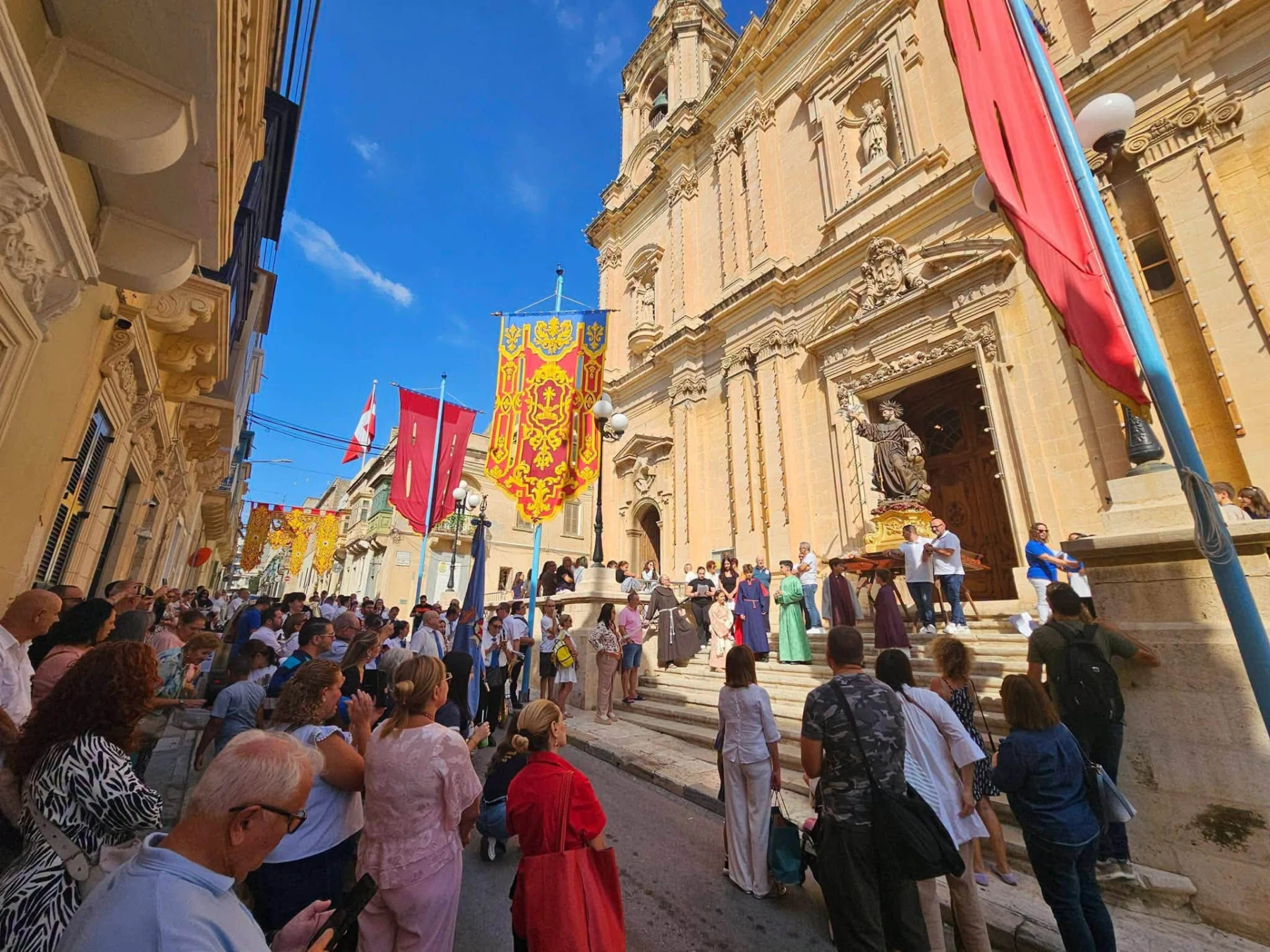
A tradition can continue outwardly while knowledge of its meaning fades. Sharing explanations, techniques, and memories helps younger generations understand why a practice matters.
Photographs and written records can be useful when their context is retained. Oral accounts add personal perspectives, but should be collected with permission and recorded faithfully. Dates and locations deserve verification rather than assumption.
Learning is also practical. Watching a craft process, asking questions about music, or discussing the preparation of a celebration can connect knowledge with experience. Preservation should support understanding, not simply accumulate objects or images.
 Community Values
Responsible Community Celebrations
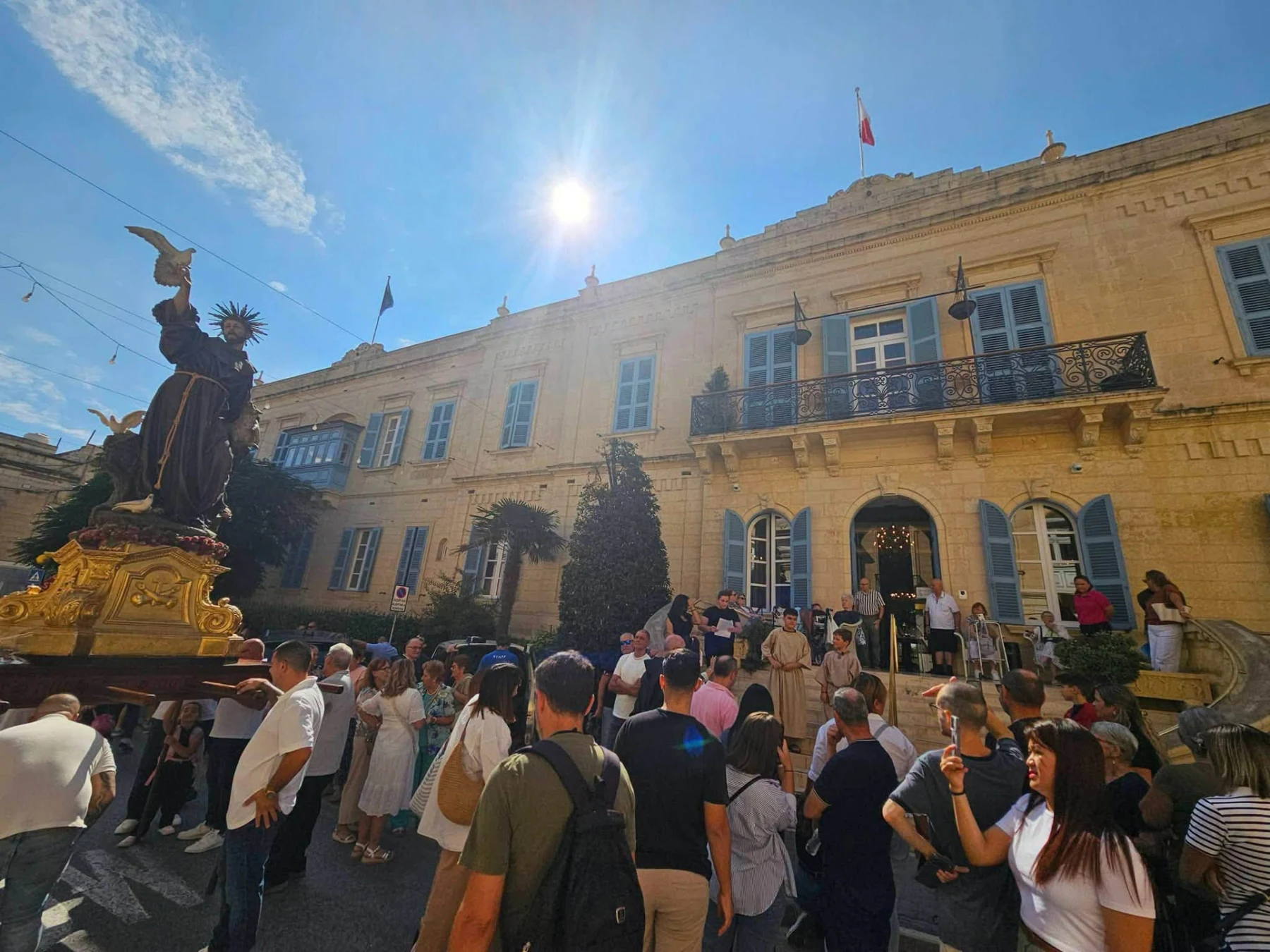
Celebrations take place in communities where people live and work. Their success should be considered alongside the well-being of residents, participants, volunteers, and visitors.
Safety, access, waste, and noise are practical concerns. Responsible arrangements should follow local requirements and provide clear information appropriate to the occasion. Accessible participation includes considering routes, communication, and the different needs of people attending.
Visitors can contribute by respecting guidance, avoiding disruption, and leaving spaces thoughtfully. This website does not supply event-specific safety arrangements; these must be checked with the relevant organizers.
Organization & CommunityThe Role of Cultural Organizations in Malta
Cultural organizations can help people find shared interests in heritage, art, and community life. Their contribution depends on the work they actually undertake and the relationships they develop.
Clear communication supports trust. An organization should distinguish its confirmed activities from educational themes, publish genuine documents where appropriate, and maintain accurate public contact information.
Responsible administration and care for personal information also matter. Cultural enthusiasm is strengthened by clear roles, realistic commitments, and appropriate oversight. No particular program, partnership, or achievement should be attributed to an organization without evidence.